

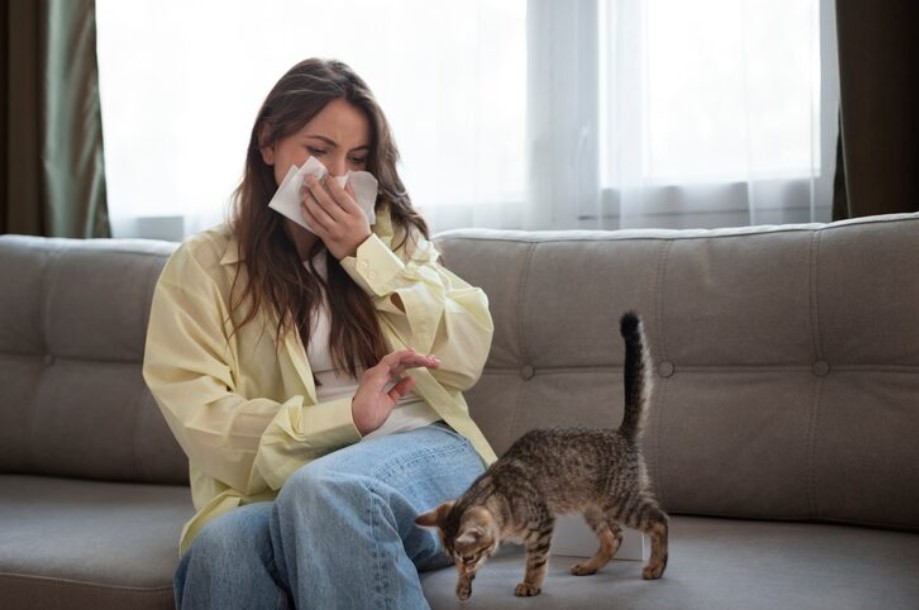
If you share your home with a cat, you already know one thing; odor control matters. Whether it’s the litter box, accidents on carpets, or lingering smells in the air, managing odor is part of responsible pet care. But here’s the problem: a lot of common advice floating around online simply doesn’t work, or can even make things worse.
In this guide, we’ll break down the most popular cat odor myths that fail in real-life situations, explain the science behind why they don’t work, and show you what actually helps keep your home fresh.
Why Cat Odor Is So Hard to Eliminate
Before debunking myths, it’s important to understand why cat odors are so persistent.
Cat urine contains:
- Uric acid crystals (which bind tightly to surfaces)
- Ammonia compounds (strong, sharp smell)
- Pheromones (which can encourage repeat marking)
Unlike simple dirt or spills, these compounds don’t just “wipe away.” They need to be chemically broken down, not masked.
Myth #1: “Air Fresheners Solve the Problem”
Many pet owners try to cover odors with sprays or scented candles.
Why This Doesn’t Work:
Air fresheners only mask smells temporarily. They don’t eliminate the source. Once the fragrance fades, the odor returns; sometimes even stronger.
What to Do Instead:
Use a cat odor eliminator designed to break down odor-causing molecules at the source rather than covering them up.
Myth #2: “Vinegar Removes All Cat Urine Smell”
Vinegar is often recommended as a natural cleaning solution.
The Truth:
While vinegar can help neutralize some alkaline components (like ammonia), it doesn’t fully break down uric acid crystals, which are the main cause of lingering odor.
The Result:
The smell may fade initially, but returns, especially in warm or humid conditions.
Better Approach:
Use enzyme-based cleaners that specifically target uric acid.
Myth #3: “If You Can’t Smell It, It’s Gone”
This is one of the most misleading assumptions.
Why It’s False:
Humans may not detect the smell anymore, but cats have a much stronger sense of smell. If any trace remains, your cat may:
- Return to the same spot
- Continue marking behavior
What to Do Instead:
Deep-clean affected areas thoroughly and ensure complete odor removal, not just surface cleaning.
Myth #4: “Baking Soda Alone Is Enough”
Baking soda is commonly used to absorb odors.
The Reality:
It can reduce surface-level smells, but it doesn’t penetrate deep into fabrics, carpets, or subfloors where urine often seeps.
Limitation:
It doesn’t break down odor-causing compounds, only temporarily absorbs them.
Better Solution:
Use it as a supplementary step, not the main solution.
Myth #5: “Bleach Is the Best Cleaner for Cat Urine”
Some people assume strong chemicals like bleach will eliminate odors completely.
Why This Is Dangerous:
- Bleach contains ammonia-like compounds
- It can actually encourage cats to re-mark the same spot
- Harmful fumes can affect both pets and humans
Conclusion:
Avoid bleach entirely for pet odor cleanup.
Myth #6: “More Fragrance Means Better Cleaning”
Products with strong scents may seem effective.
The Truth:
Heavy fragrances often:
- Mask odors instead of eliminating them
- Irritate sensitive cats
- Create a mix of unpleasant smells
What Works Better:
Choose cleaners that are fragrance-free or lightly scented but scientifically formulated.
Myth #7: “Litter Box Odor Is Unavoidable”
Many cat owners believe litter box smell is just part of having a cat.
Not True:
Persistent litter box odor usually indicates:
- Poor cleaning routine
- Low-quality litter
- Health issues
How to Fix It:
- Scoop daily (or more often for multiple cats)
- Clean the box weekly
- Replace litter regularly
- Use high-quality odor-control litter
Myth #8: “All Cleaning Products Work the Same”
Not all products are designed to handle pet odors.
The Difference:
Generic cleaners:
- Remove stains
- Leave behind odor-causing compounds
Specialized solutions:
- Break down uric acid
- Neutralize odor at a molecular level
Choosing the right product matters more than most people think.
What Actually Works for Eliminating Cat Odor
Now that we’ve cleared the myths, let’s focus on proven solutions.
1. Enzyme-Based Cleaners
These are widely recommended by veterinarians and pet care experts.
How They Work:
- Break down uric acid crystals
- Eliminate odor at the source
When searching for the best cat urine odor eliminator, enzyme-based formulas are often the most effective option.
2. Proper Cleaning Technique
Even the best product won’t work if used incorrectly.
Follow These Steps:
- Blot (don’t rub) the affected area
- Apply cleaner generously
- Let it sit (important for enzyme action)
- Air dry completely
Patience is key, rushing the process reduces effectiveness.
3. Deep Cleaning Carpets and Fabrics
Urine often penetrates deeper than expected.
Recommended Methods:
- Steam cleaning (after enzyme treatment)
- Carpet extraction machines
- Professional cleaning for severe cases
4. Address the Root Cause
Sometimes odor is a symptom of a bigger issue.
Possible Causes:
- Stress or anxiety
- Dirty litter box
- Medical problems (like urinary infections)
If accidents persist, consult a veterinarian.
5. Improve Ventilation
Good airflow helps reduce lingering smells.
Tips:
- Open windows regularly
- Use air purifiers
- Keep litter areas well-ventilated
6. Maintain a Consistent Cleaning Routine
Prevention is always easier than treatment.
Daily:
- Scoop litter
- Check for accidents
Weekly:
- Wash litter box
- Clean surrounding areas
Consistency keeps odors from building up.
Pro Tips for a Fresh-Smelling Home
- Use multiple litter boxes in multi-cat homes
- Choose unscented litter to avoid overwhelming smells
- Rotate cleaning products if needed
- Monitor your cat’s behavior for early signs of issues
Final Thoughts
Cat odor doesn’t have to be a constant struggle, but relying on myths will only waste time and effort.
The key takeaway? Odor needs to be eliminated at the source, not covered up.
By understanding what doesn’t work, and switching to science-backed solutions; you can create a clean, comfortable home for both you and your cat.
FAQs
1. What is the most effective way to eliminate cat urine smell?
Enzyme-based cleaners are the most effective because they break down odor-causing compounds rather than masking them.
2. Does vinegar permanently remove cat urine odor?
No, vinegar may reduce the smell temporarily but does not eliminate uric acid crystals completely.
3. What is the best cat urine odor eliminator for carpets?
Look for enzyme-based formulas specifically designed for deep penetration in fabrics and carpets.
4. Can I use household cleaners to remove cat odor?
Most household cleaners only remove surface stains and do not fully eliminate odor at the molecular level.
5. How do I prevent my cat from returning to the same spot?
Completely eliminate the odor, keep the area clean, and address any behavioral or medical causes.

vidalista tadalafil 20mg
vidalista tadalafil 20mg
how long after taking topamax can you drink alcohol
how long after taking topamax can you drink alcohol
sildenafil citrate 20 mg
sildenafil citrate 20 mg
rogaine reddit results
rogaine reddit results
metronidazole cream.priceline
metronidazole cream.priceline
ketorolac tromethamine overview
ketorolac tromethamine overview
ivermectin clinical summary
ivermectin clinical summary
ivermectin for rosacea
ivermectin for rosacea
minoxidil onset scientific overview
minoxidil onset scientific overview
insurance medical policy
insurance medical policy
augmentin vs amoxicillin benefits
augmentin vs amoxicillin benefits
Learn About Sildenafil Onset
Learn About Sildenafil Onset
read more about tadalafil
read more about tadalafil
tadalafil pharmacokinetic characteristics
tadalafil pharmacokinetic characteristics
Comments are closed.