

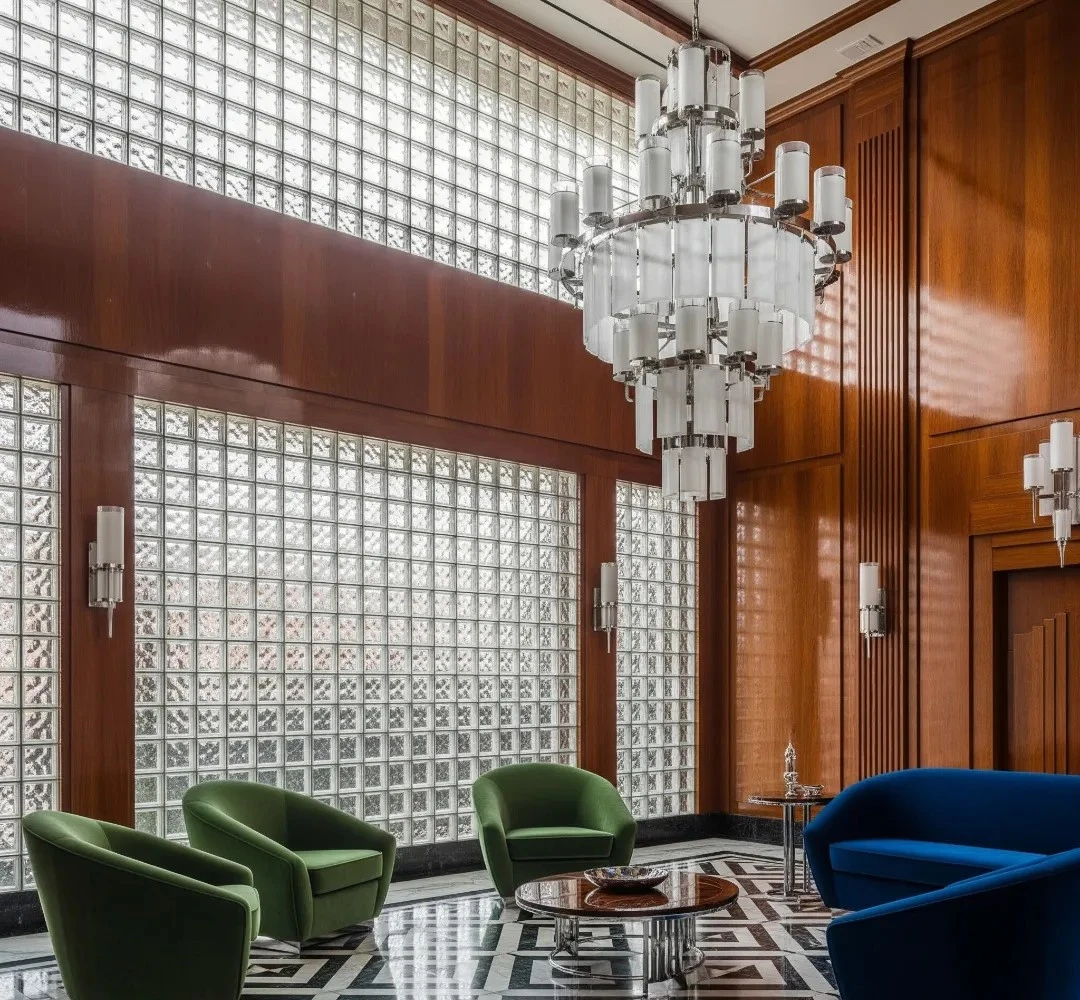
Historic buildings often contain architectural details that are difficult to reproduce in modern construction. Exposed brickwork, decorative woodwork, traditional windows, and distinctive room proportions contribute to their character. However, older properties may also need practical updates to accommodate changing uses, contemporary design preferences, and modern building requirements.
Introducing glass block into a historic property can offer an interesting contrast between traditional materials and contemporary architecture. The challenge is ensuring that new elements complement the original building rather than overwhelm its identity. Thoughtful design, careful material selection, and appropriate professional assessment can help establish a balanced relationship between old and new.
Understanding the Building’s Original Character
Before introducing modern materials, designers should identify the features that give an older building its architectural identity. Original masonry, window arrangements, decorative details, and interior proportions may all influence how new elements should be incorporated. Some buildings have undergone several renovations, leaving a mixture of original and later additions. Understanding these changes can help determine where contemporary features might fit naturally.
A modern glass installation may be more appropriate within a later extension than in an area containing significant original details. The objective is to respect the building’s history while allowing suitable improvements.
Modern Materials Can Complement Traditional Architecture
Contemporary materials do not always need to imitate older construction. In some situations, a clear distinction between historic and modern elements can create a more thoughtful architectural composition. Glass masonry can introduce geometric patterns that contrast with traditional brick, stone, or timber. This contrast may help distinguish new work from original construction without creating an unnecessarily dramatic appearance.
The surrounding materials influence the final result. Neutral finishes can provide visual balance, while carefully selected framing details can help connect the installation with adjoining surfaces. Designers should consider how the feature appears from different viewpoints rather than evaluating it only as an isolated decorative element.
Choosing Suitable Locations for Glass Features
The location of a modern feature can determine whether it feels integrated or intrusive. Interior partitions, secondary rooms, and later building additions may provide opportunities for contemporary architectural treatments. Using glass bricks within a suitable partition can introduce texture and a distinctive visual rhythm. However, the installation must be evaluated according to the building’s structural conditions and the intended application.
Not every wall can be altered safely. Load-bearing elements, historic masonry, and other important features may require specialist assessment before modifications are considered. Where a property has heritage protection, relevant permissions or conservation requirements may also influence which changes are allowed.
Structural Requirements Need Professional Attention
Older buildings can contain construction methods and materials that differ from those used in modern properties. Wall thickness, foundations, previous alterations, and structural movement may affect proposed renovations. Glass masonry should not automatically be treated as interchangeable with ordinary structural brickwork. Its installation requirements depend on the selected product, supporting system, and intended location.
Architects, engineers, or other qualified professionals may need to assess the existing structure before work begins. This is particularly important when an opening is being created or an existing wall is being modified. Appropriate support and installation details should be established before construction rather than improvised on site.
Preserving Original Features During Construction
Renovating a historic building requires attention to the materials that will remain in place. Original plaster, timber, masonry, and decorative finishes may be vulnerable to accidental damage during construction. Contractors should identify areas requiring protection before equipment or materials are brought into the property. Temporary coverings, controlled access, and careful work sequencing may help reduce unnecessary disturbance, depending on the project.
The construction plan should also account for dust, vibration, and other activities that could affect sensitive architectural features. Where specialist conservation work is required, appropriate professionals should be involved rather than relying on ordinary renovation methods.
Long-Term Maintenance Deserves Consideration
A contemporary feature should remain practical after installation. Cleaning access, surrounding finishes, joint condition, and the relationship with existing materials can influence long-term maintenance. Historic buildings may also experience movement or environmental conditions that require monitoring. New installations should be designed with these characteristics in mind.
Property owners can retain product specifications, installation records, and relevant maintenance instructions for future reference. These documents may become particularly useful if the building undergoes further renovation or changes ownership.
Conclusion
Introducing contemporary glass masonry into a historic building requires a balance between architectural creativity and respect for existing character. Original materials, structural conditions, conservation requirements, and suitable installation locations should guide the design process. Modern features can create an appealing contrast with traditional architecture, but they should not compromise significant historic details or building safety. By involving qualified professionals and considering long-term maintenance, property owners can introduce carefully planned contemporary elements while preserving the qualities that make older buildings distinctive.


