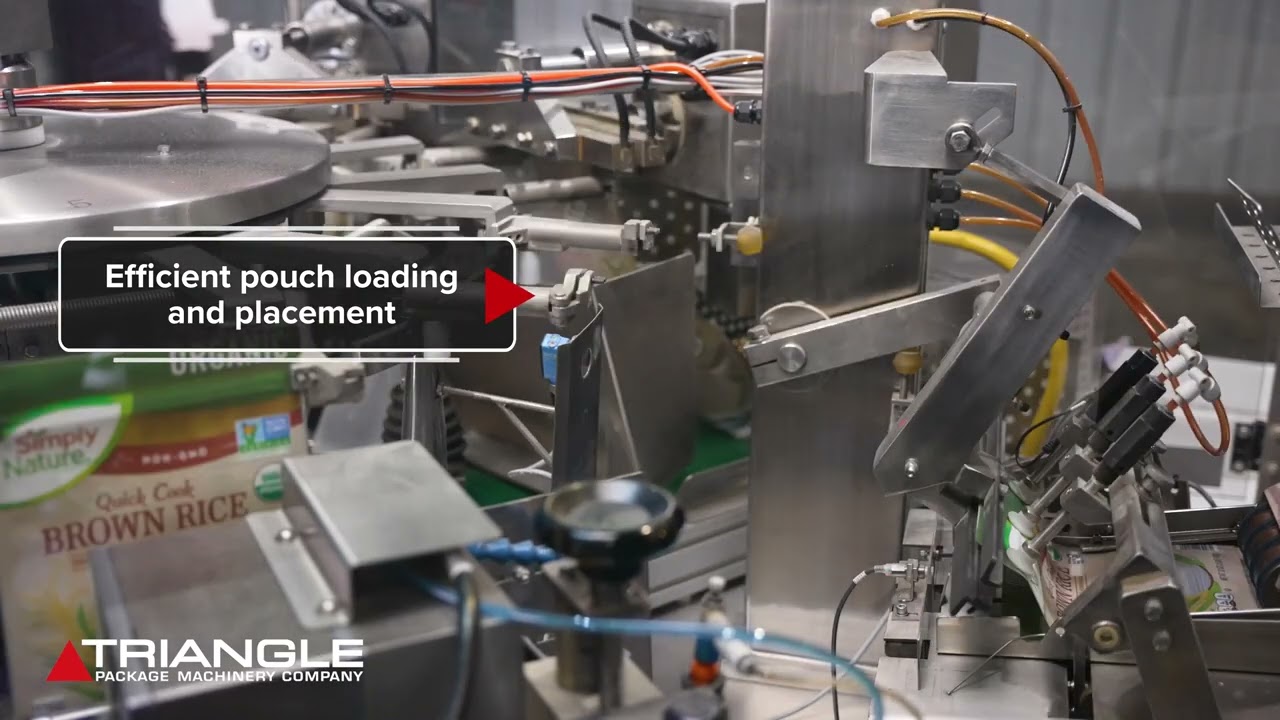
During installation, a Rotary pouch machine shows its personality very fast. Alignment tolerance, sensor positioning, and how easily operators can access adjustments matter immediately. Small mechanical quirks appear before production even starts. Teams notice if pouch loading feels smooth or slightly awkward. These early impressions influence confidence long-term. Equipment that behaves predictably during setup usually stays calmer once volume increases later.
Pouch formats create quite limitations
Different pouch shapes stress machines in different ways. A Rotary pouch machine handles stand-up pouches differently than flat formats. Zippers, spouts, and tear notches add complexity without warning. With seafood packaging solutions, moisture and residue can interfere with gripping and sealing. Machines that allow fine control over jaw pressure reduce damaged packages. These adjustments become routine, not exceptional, during normal production weeks.
Product behavior changes the whole process
Seafood rarely behaves consistently from batch to batch. Seafood packaging solutions must account for variable moisture, temperature, and texture. Drip can affect seal areas if not managed properly. A Rotary pouch machine with flexible filling integration reduces spill risk. Operators often tweak fill speeds throughout the day. That reality favors systems designed for regular adjustment rather than fixed settings.
Cleaning routines drive daily satisfaction
Sanitation crews quickly learn which machines slow them down. Rotary pouch machine frames with tight corners collect residue faster than expected. Smooth welds and open access reduce cleaning time significantly. Seafood packaging solutions demand frequent washdowns, especially in chilled rooms. Electrical components placed thoughtfully survive longer under these conditions. Cleanability influences morale as much as production speed does.
Automation helps only when understood
Automation sounds appealing until alarms start appearing. Seafood packaging solutions benefit from automation that operators can understand without manuals. Clear fault messages matter more than complex dashboards. A Rotary pouch machine with simple control logic reduces training strain. When automation exceeds team skill levels, troubleshooting stalls production. A balance between assistance and complexity makes daily operation calmer.
Space and utilities always surprise teams
Floor plans rarely match reality after installation. A Rotary pouch machine needs clearance for maintenance and material flow. Compressed air demand rises during peak sealing cycles. Seafood packaging solutions often operate in cold environments where utilities behave differently. Planning for hose routing and drainage avoids later frustration. These practical constraints influence long-term efficiency more than initial capacity ratings.
Cost shows up slowly over time
Purchase price fades as operating costs appear. Replacement parts, wear items, and service access affect budgets quietly. Seafood packaging solutions using standard components simplify sourcing later. A Rotary pouch machine built for modular upgrades adapts better to new pouch styles. These factors shape equipment lifespan without dramatic announcements during procurement discussions.
Conclusion
Selecting packaging equipment requires patience and honest evaluation. Teams benefit from observing real production conditions instead of ideal demonstrations. Consider how Rotary pouch machine systems handle adjustment, cleaning, and operator interaction daily. Review how seafood packaging solutions respond to moisture, temperature, and product variability over time. Practical observation leads to steadier operations and fewer surprises. Engage with experienced equipment providers to review your process requirements and identify solutions aligned with your production goals.