
Customers purchase emotions as much as they do items. They want to feel unique, accomplished, and intelligent regarding their buying choices. Smart retailers understand this and provide luxury at affordable prices. Luxury perception shapes product opinions and buying decisions.
What Makes Something Feel Luxurious
Luxury isn’t always defined by price or brands. Small details affect customer perceptions. Robust packaging seems more substantial than weak cartons. Sleek surfaces imply value, even in budget-friendly products. Neat store arrangements and proper lighting enhance the perception of luxury.
Colors also manipulate our minds. To most consumers, black, gold, and rich blues represent opulence. White evokes a sense of purity and high quality. Even product names hold significance – terms such as “premium”, “collection” and “signature”, enhance perceived worth without altering the actual item.
The Psychology Behind Luxury Perception
Our brains form swift evaluations regarding value and quality. Shoppers determine whether an item appears costly within moments of encountering it. These quick choices occur before rational thought takes over. Retailers aware of this timing can shape customer perceptions right from the initial look.
Luxury perception is also influenced by social proof. Seeing others buy products makes them more appealing. Limited stock and special offers increase product value. Scarcity increases people’s desire for items, even if they had no prior interest.
Creating Luxury Experiences on Any Budget
Small businesses can create luxury without spending much. Excellent customer service is affordable and impactful. Remembering customer details personalizes the shopping experience. Organized displays suggest attention to detail. Shoppers associate this with luxury stores.
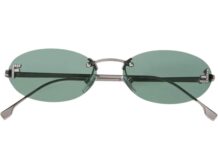
The product presentation makes items special. Jewelry looks more valuable in display cases. Soft light improves everything. Even simple items like bulk designer sunglasses from distributors like Olympic Eyewear appear premium when displayed thoughtfully with proper spacing and attractive backgrounds.
Packaging That Adds Perceived Value
Consumers evaluate items based on their packaging prior to unboxing them. Durable boxes imply high-quality items within. Tissue paper and ribbon make gifts special. Personal touches like stickers or notes feel luxurious and thoughtful. Unboxing events attract new clients through social media. Customers frequently post photos online when they feel thrilled about unpacking their packages. This no-cost promotion targets friends and family who observe luxury displays and desire comparable experiences for themselves.
Price Psychology and Value Perception
Customers frequently believe that elevated prices indicate superior quality. This enables retailers to sell products as high-end. Prices ending in 9 suggest deals, while those ending in 0 imply luxury. Strategic pricing assists customers in organizing products mentally.
Product combinations can boost value and sales. A set of three items seems more valuable than the same items sold separately. Customers value convenience and frequently view bundles as superior offers, even when the individual calculations suggest otherwise.
Building Brand Prestige Over Time
Consistent experiences of luxury create enduring brand reputations over the years. Shoppers who feel indulged while shopping often come back and suggest stores to their friends. Recommendations from pleased customers hold more significance than paid ads. Loyal customers transform into brand advocates when they resonate with luxury experiences. They support preferred shops when faced with criticism and enthusiastically recommend products to their friends and family. This organic marketing is free yet generates significant business growth.
Training Staff for Luxury Service
The actions of employees directly influence the perception of luxury. Informed, confident employees boost product value. Positive product discussions with staff satisfy customers. Support helps customers invest time and money.
Conclusion
Luxury transforms shopping into memorable experiences. Smart retailers use psychology and service to create luxury without spending much. Success comes from selling experiences, not just products. Perceived luxury improves customer relations and boosts profits.