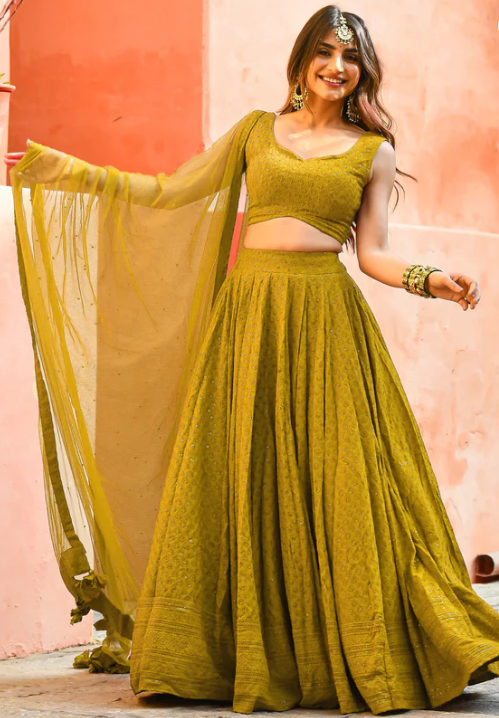
Fashion is no longer defined solely by color, embroidery, or silhouette. Modern consumers are paying closer attention to how garments feel, move, photograph, and perform throughout different occasions. As a result, fabric has become one of the most influential elements in contemporary design. Rather than serving as a simple foundation for embellishments, textiles now play an active role in shaping fashion experiences.
This shift is particularly visible in the growing popularity of the Georgette Lehenga and Organza Lehenga. Both styles demonstrate how fabric innovation can transform a traditional silhouette into something that feels fresh, distinctive, and aligned with modern consumer expectations. Their success highlights a broader trend within the fashion industry, where materials are increasingly driving design decisions and influencing purchasing behavior.
Why Consumers Are Paying More Attention to Fabric
Today’s fashion consumers are more informed than ever before. Social media, digital shopping platforms, and increased access to fashion information have encouraged shoppers to look beyond appearance alone.
Fabric now plays an important role in how consumers evaluate garments. They consider factors such as comfort, movement, texture, and versatility before making purchasing decisions.
This growing awareness has changed the way designers approach collections. Rather than focusing solely on decorative elements, many now prioritize textile selection as a key part of the design process.
As a result, fabrics themselves are becoming a major source of innovation in ethnic fashion.
The Emotional Experience of Fashion
Fashion is often described as visual, but it is also deeply connected to experience. The way a garment feels when worn can influence confidence, comfort, and overall satisfaction.
Different fabrics create different emotional responses. Some evoke a sense of lightness and ease, while others create structure and dramatic presence.
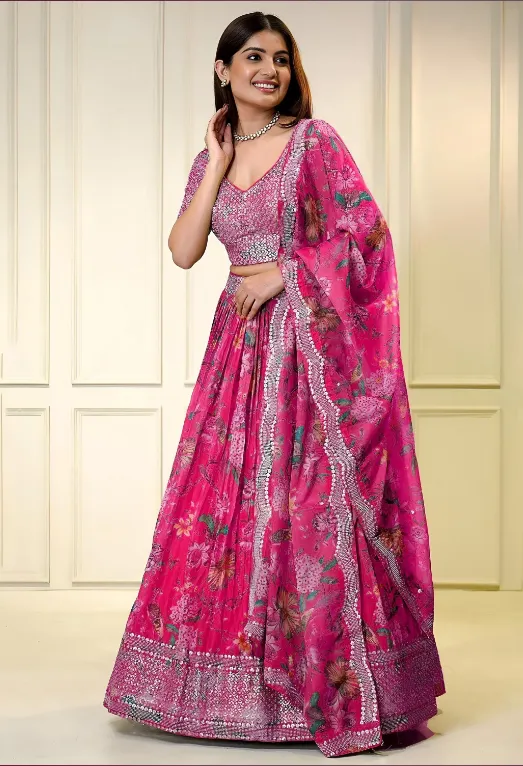
The Georgette Lehenga is often appreciated for its fluidity and effortless movement. Its soft texture contributes to a relaxed and graceful wearing experience that aligns with contemporary preferences for comfort-driven fashion.
In contrast, the Organza Lehenga creates a more sculpted visual effect, offering a sense of sophistication and statement-making elegance.
These distinct experiences demonstrate how fabric contributes to fashion beyond appearance alone.
How Fabric Shapes Visual Storytelling
In the digital era, clothing is often experienced through photographs and videos before it is seen in person. This has increased the importance of fabrics that create strong visual impressions.
Texture, movement, and structure all influence how garments appear in images. Designers increasingly consider these factors when selecting materials for their collections.
Georgette creates flowing movement that adds softness and natural elegance to visual presentations. Organza, on the other hand, introduces depth and dimension through its structured nature.
These qualities help designers tell different visual stories while working within the same traditional silhouette.
As fashion becomes more digitally driven, fabric is playing a larger role in defining how garments are perceived.
Why Fabric Choice Is Becoming a Design Signature
Historically, designers were often recognized for their embroidery techniques, color palettes, or signature silhouettes. Today, fabric selection is becoming an equally important aspect of design identity.
Many contemporary collections are distinguished by the way materials are used to create specific moods and experiences.
The growing popularity of the Georgette Lehenga and Organza Lehenga reflects this shift. Designers are using fabric as a creative tool rather than simply a supporting element.
This approach allows traditional garments to feel modern without requiring dramatic changes to their fundamental structure.
It also demonstrates how innovation can emerge from subtle design decisions.
The Role of Fabric in Modern Consumer Preferences
Modern shoppers increasingly seek clothing that aligns with both their aesthetic and practical expectations. Fabric often serves as the bridge between these priorities.
Consumers want garments that:
- Feel comfortable to wear
- Offer visual appeal
- Adapt to different occasions
- Create memorable fashion experiences
- Reflect contemporary design sensibilities
The growing demand for distinctive fabrics reflects these expectations. Material selection has become an important factor in determining how consumers connect with fashion on both functional and emotional levels.
This trend is reshaping the way ethnic wear is designed and marketed.
The Future of Textile Innovation in Ethnic Fashion
Fabric innovation is likely to become even more important as fashion continues to evolve. Advances in textile development, changing consumer preferences, and increased focus on experience-driven design are encouraging designers to explore new possibilities.
Traditional silhouettes such as lehengas remain popular because they provide a strong foundation for experimentation. By introducing innovative fabrics, designers can continuously refresh familiar garments while preserving their cultural significance.
The success of georgette and organza demonstrates how textiles can influence the future of ethnic fashion without requiring a complete reinvention of traditional design.
Final Thoughts
The growing popularity of the Georgette Lehenga and Organza Lehenga highlights the increasing importance of fabric innovation in contemporary fashion. Modern consumers are no longer evaluating garments based solely on appearance; they are also considering texture, movement, comfort, and overall experience.
As designers continue to explore new ways of using textiles, fabric will play an even greater role in shaping the future of ethnic wear. By transforming how garments look, feel, and perform, innovative materials are helping traditional fashion remain relevant in an increasingly experience-focused world.