
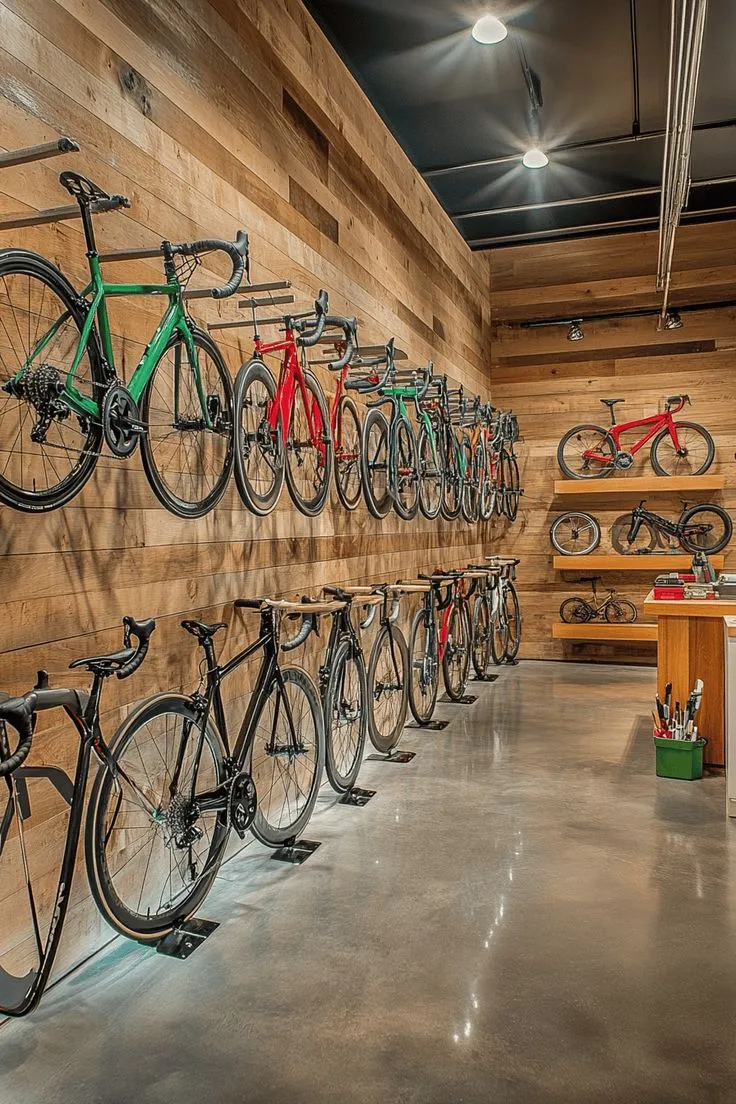
Vintage bicycles tell stories through their frames, components, paintwork, and engineering details. For collectors, preserving these features can be just as rewarding as riding the bicycles themselves. However, a growing collection often creates storage challenges, particularly when valuable or delicate models share space with vehicles, tools, and household equipment.
Homeowners considering a garage floor epoxy swirl design may want their garage to feel more like a personal exhibition space. Decorative flooring can contribute to the atmosphere, but protecting a vintage bicycle collection requires thoughtful planning around storage, humidity, lighting, and movement. The goal is to create an attractive environment without compromising the condition of the bicycles.
Begin With the Collection, Not the Decoration
A collector may own bicycles from different periods, manufacturers, and cycling disciplines. Some models are restored for regular riding, while others remain largely untouched to preserve original components. These differences influence how the collection should be arranged.
Before purchasing display fixtures, homeowners should record bicycle dimensions, condition, and storage requirements. Larger frames, unusual handlebars, and delicate accessories may need additional clearance.
The layout should also allow individual bicycles to be removed without repeatedly moving neighbouring models. A visually impressive display becomes inconvenient when accessing one bicycle requires rearranging the entire collection.
Choose Storage That Supports the Frame
Wall-mounted racks can create an organized appearance, but not every bicycle is suitable for every mounting system. Frame construction, weight, wheel condition, and component sensitivity should influence the choice. Older bicycles may contain delicate paintwork or components that require careful handling.
Collectors should check rack specifications and avoid contact points that could damage original finishes. Floor-standing supports may be preferable for certain models, particularly where lifting is difficult or the bicycle has unusual dimensions. The supporting wall or storage structure must also be appropriate for the intended loads.
Lighting Should Reveal Details Without Creating Problems
Vintage bicycles often feature polished metal, painted frames, distinctive decals, and carefully preserved components. Appropriate lighting can make these details easier to appreciate. However, direct sunlight may affect certain finishes, rubber components, and other materials over time. Collectors can use adjustable artificial lighting to highlight individual bicycles without exposing them unnecessarily to strong sunlight.
A practical display should provide enough general illumination for safe movement while using focused lighting selectively. Electrical fixtures should be installed appropriately, especially where the garage experiences moisture or temperature changes.
Flooring Can Support the Display’s Visual Character
Decorative flooring can help establish a consistent background beneath a collection. Colour, pattern, and reflectivity influence how bicycles appear within the space. Homeowners exploring a metallic epoxy garage finish should consider whether the selected appearance complements the bicycles rather than competing with them.
Highly expressive patterns may suit some collections, while others benefit from more restrained surroundings. The existing concrete also requires assessment before installation. Cracks, previous coatings, and moisture conditions can influence preparation requirements. A professional should explain the proposed system’s suitability and maintenance limitations.
Humidity and Temperature Deserve Attention
Garages may experience environmental changes that affect stored bicycles. Prolonged moisture exposure can contribute to corrosion, while unsuitable storage conditions may affect certain materials. Collectors should consider the needs of individual bicycles, particularly when preserving original components.
A suitable environment may require monitoring humidity and addressing water entering through doors or other building defects. A floor coating cannot independently control moisture in the air or prevent corrosion. Where environmental conditions are uncertain, appropriate professional guidance can help determine whether additional building improvements are necessary.
Plan Safe Routes Around the Collection
A display garage should remain practical for everyday movement. Visitors may want to examine bicycles closely, while collectors need room to perform inspections or move individual models.
A useful layout review can include:
-
Display clearance: Leave appropriate space between bicycles.
-
Walking routes: Keep entrances and pathways unobstructed.
-
Handling access: Allow safe removal of individual models.
-
Tool storage: Separate maintenance equipment from display areas.
-
Vehicle movement: Preserve suitable clearance if cars share the garage.
These arrangements help reduce unnecessary handling and accidental contact.
Maintenance Should Protect Original Features
Vintage bicycle preservation often involves careful cleaning, inspection, and appropriate component maintenance. Products suitable for modern bicycles may not always be appropriate for older finishes or materials. Collectors should research the requirements of individual components before applying cleaners or protective products.
The garage floor also needs maintenance according to the selected coating manufacturer’s instructions. Keeping cleaning supplies organised and separating bicycle-care products from general household chemicals can support safer storage. A documented maintenance routine may help collectors track condition changes without performing unnecessary restoration.
Conclusion
A vintage bicycle collection deserves a garage arrangement that balances presentation with preservation. Suitable storage, controlled lighting, appropriate environmental conditions, and clear movement routes can help protect bicycles while making them enjoyable to display. Decorative flooring may contribute to the atmosphere, but it should be selected according to the existing concrete and practical requirements. Homeowners exploring options through uniquecoatingsandpolishing.com can consider these factors when planning improvements. By placing collection care ahead of decoration, enthusiasts can create a distinctive display space that respects the history and condition of their bicycles.